
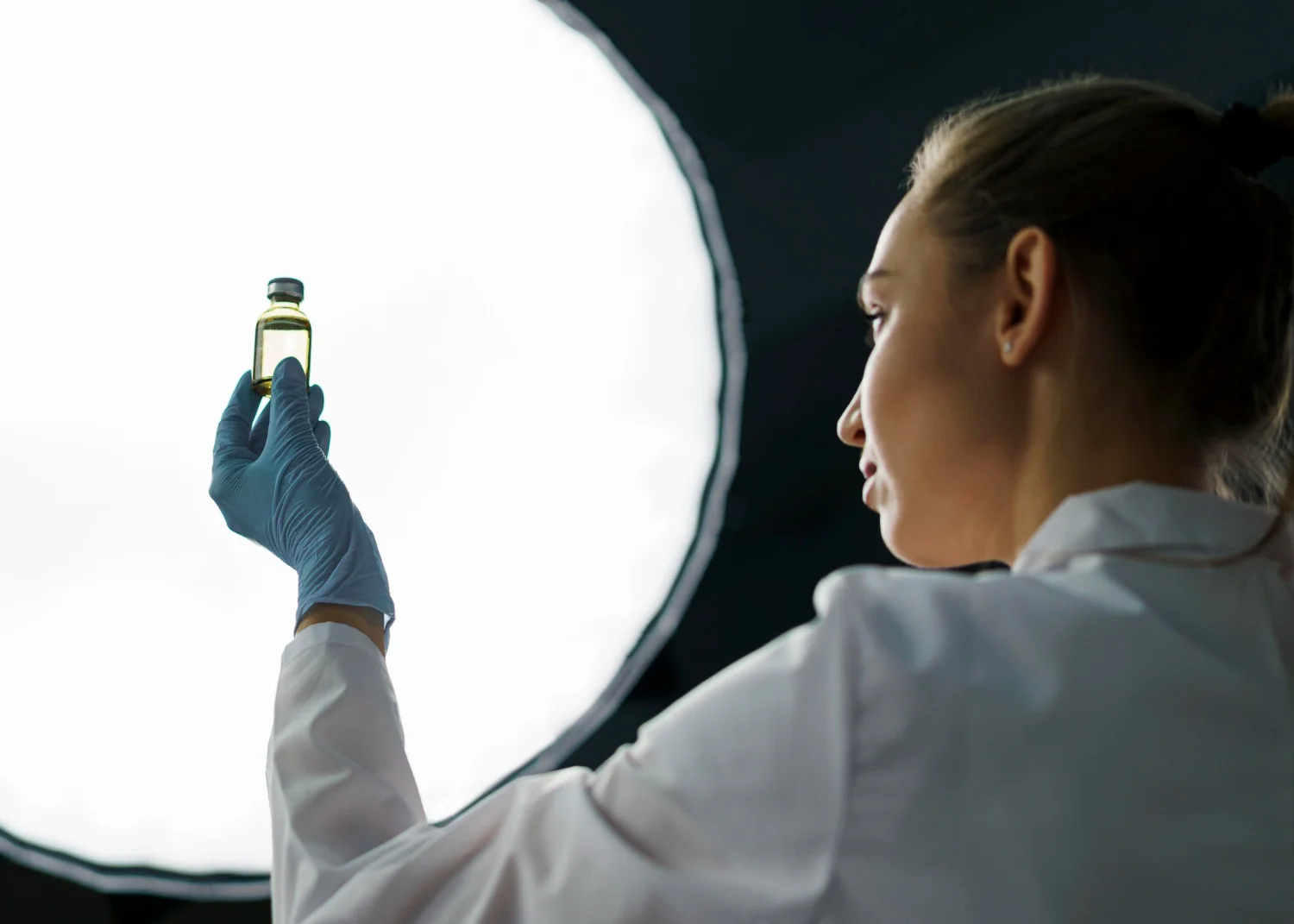
Cell therapy, gene editing, antibody production.
Manufacturing infrastructure and regulatory support for clinical-stage therapeutics.
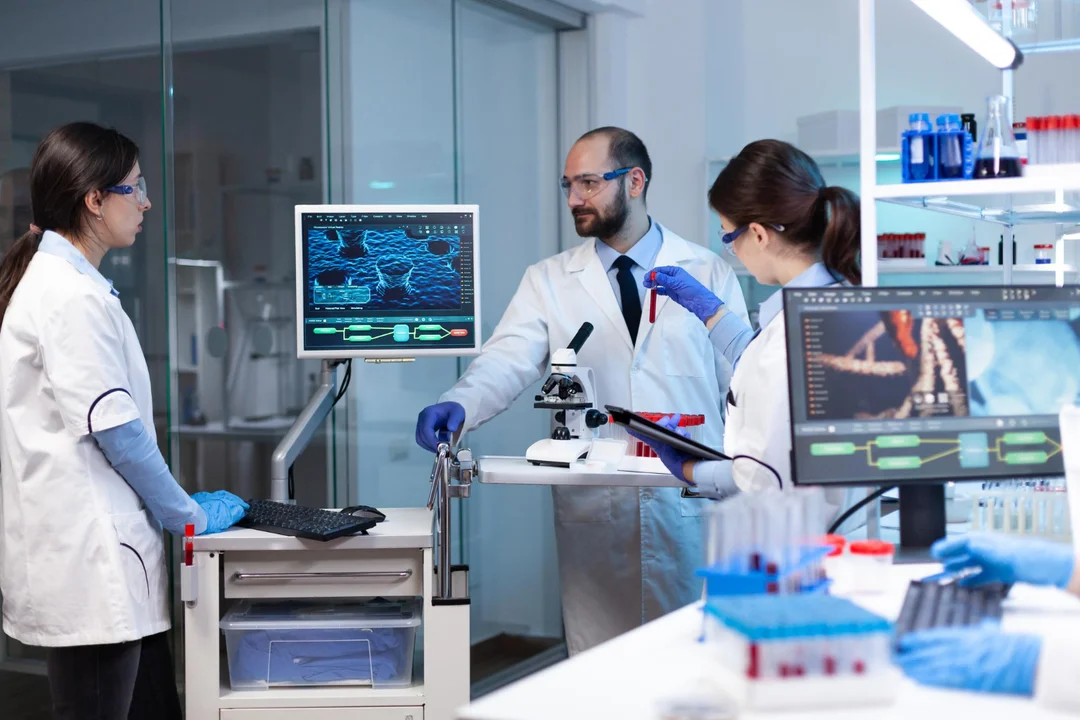
Quiettrail handles process development, cGMP batch manufacturing, and release testing for cell therapy platforms, CRISPR/base editing workflows, and monoclonal antibody production. We validate cleanrooms, run stability protocols per ICH guidelines, and prepare CMC documentation for FDA and EMA submissions. You have the efficacy data and a clinical timeline. We make sure manufacturing holds up under scrutiny, can scale, and gets approved.
Manufacturing & Operations
We handle everything from the initial process work all the way through to validated production batches. Everything in here is cGMP-compliant and ready for regulatory inspection.

We log environmental data around the clock (depending on the facility, some places need constant monitoring for compliance)

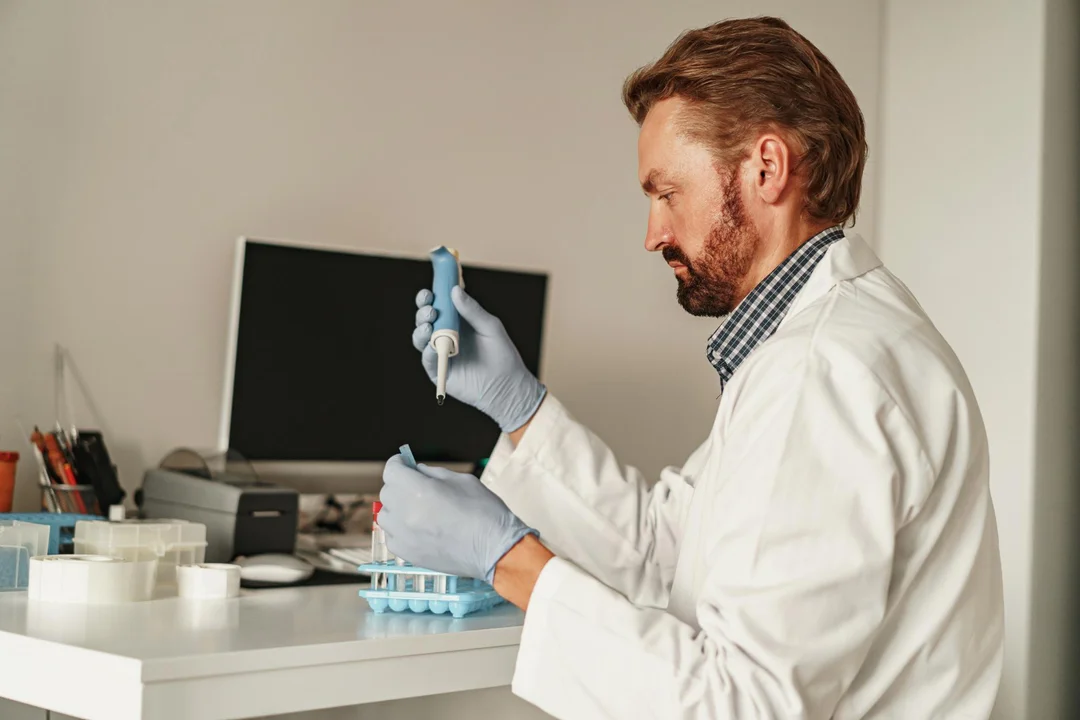
Testing each batch for potency, endotoxin levels, and sterility according to USP standards

Storing samples at ultra-low temperatures, both at -80°C and in liquid nitrogen at -196°C
Scaling bioreactors from 10 liters up to 200 liters for fed-batch production
What We Do
Three main services. Use one or combine them. We adjust timelines and scope based on what you need.
GMP Manufacturing
We run cGMP batches for cell therapies, engineered cell products, and mAbs. That covers IQ/OQ/PQ for equipment, environmental monitoring, batch records, and full traceability from raw materials to final product release. Most batches are done in two to four weeks once your process is locked down. We don't cut corners on validation to speed things up.

Release Testing & Analytics
Potency assays. Sterility checks. Endotoxin levels. Identity testing via flow or HPLC. Mycoplasma by PCR and culture. Viability counts. Every batch gets tested to specification before it ships. Most results come back in about two weeks. You can get them faster if you're okay with PCR mycoplasma results while culture runs in the background.
CMC & Regulatory Support
CMC dossier prep for IND and BLA filings. We've filed more than a dozen BLAs and several INDs. Our team handles comparability protocols, stability data packages and gets you ready for FDA meetings. Straightforward work.
Process & Timeline

Phase I: Characterization
Takes about 3 to 4 months. You send us the starting material, your target specs, and whatever preliminary data you have. We run small-scale trials, design of experiments on the critical parameters, and nail down your CQAs. Everything flows into manufacturing scale-up.

Equipment Qualification
IQ, OQ, PQ—figure on 6 to 8 weeks for the whole thing. Installation, operations, performance. Cleanroom validation included. You get a complete data package ready for regulatory submission.
GMP Batch 1
From inoculation to final testing runs 2 to 3 weeks. Full batch record, environmental monitoring, in-process sampling throughout. Release testing results show up about 10 to 14 days after the batch finishes.

Stability Protocol Setup
ICH Q1A(R2) real-time and accelerated. We're running cells and proteins at 5°C, 25°C, and 40°C. Lock in the endpoints before the first batch finishes, then stability testing happens alongside your clinical work.
CMC Dossier Assembly
Takes 8 to 10 weeks once you have all the manufacturing data. Manufacturing narrative, analytical methods, stability summaries, risk assessments. We work with your regulatory affairs team to spot gaps and match the format they need.

IND / BLA Submission Support
We show up to pre-IND or pre-BLA meetings. Prepare your CMC briefing documents. Walk through manufacturing rationale, control strategy, comparability with the FDA. Your timeline is what matters.

Post-Approval Scalability
After approval, you can scale up to 50 liters or bigger. Processs stays locked down. Equipment qualification happens again at the new scale. Most companies hand it off to a GMP partner at that point.
What We Do
Six services. They overlap plenty, but they all feed into your regulatory timeline and how much manufacturing risk you're carrying.

Process Development
Your lab protocol becomes something you can actually manufacture. We handle the design of experiments, parameter mapping and figuring out what critical quality attributes matter. Four to six months, assuming you have a working prototype and a clear definition of what you're aiming for.

GMP Manufacturing
We run batches under full cGMP compliance. Equipment validation, cleanroom certification, batch records, complete traceability. Scale ranges from 10 liters up to 200 liters depending on whether you're maknig a cell product or protein.
Analytical & Release Testing
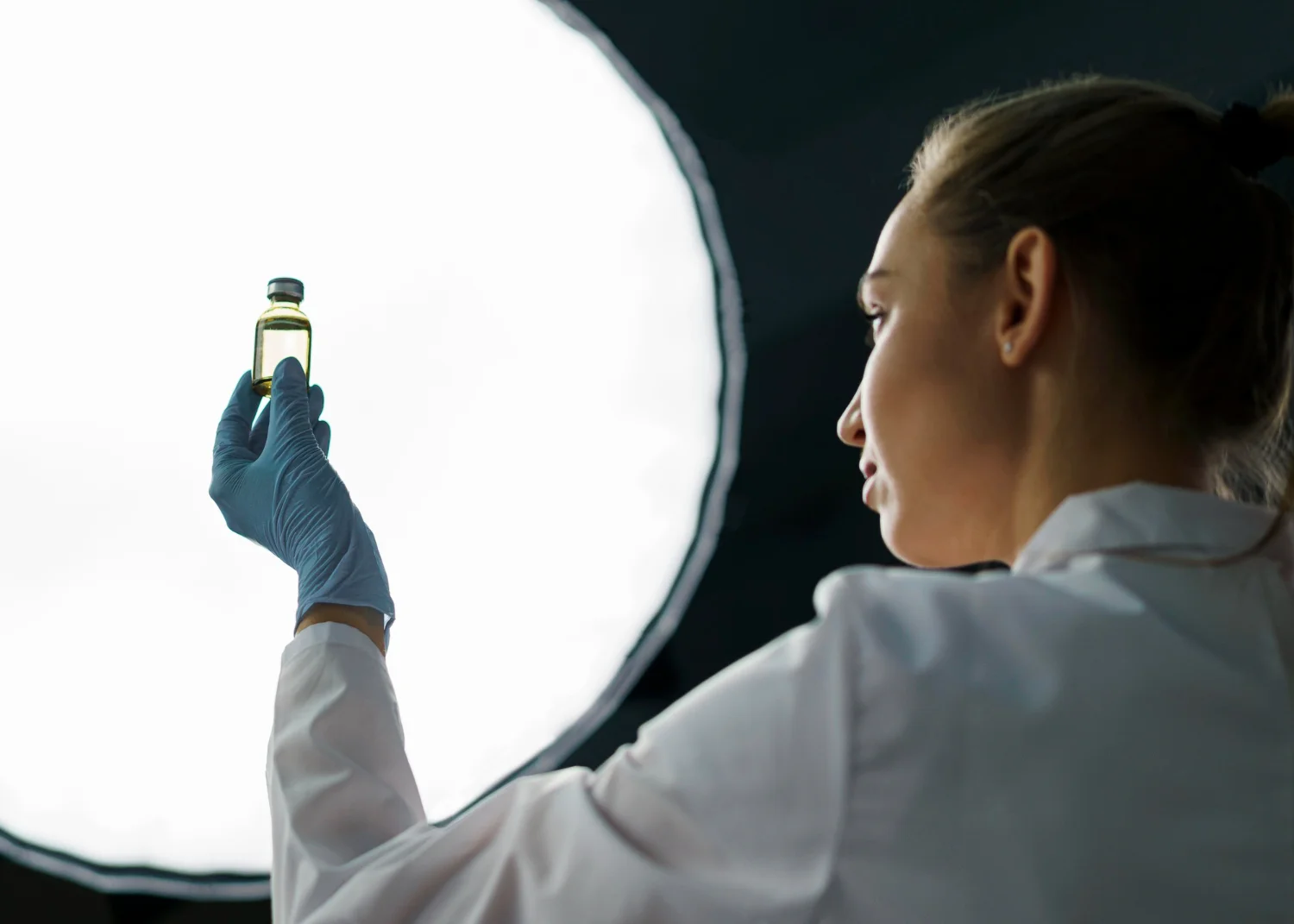
Potency, sterility, endotoxin, identity, viability, mycoplasma. Every batch gets tested to your spec. You get results in roughly two weeks.

Stability & Storage Protocols
ICH Q1A(R2) real-time and accelerated conditions at 5°C, 25°C, and 40°C. A year of real-time data is required before regulators will sign off.

CMC & Regulatory Documentation
Chemistry, manufacturing, and controls sections for IND and BLA filings. We've had more than a dozen BLAs cleared in the last five years. Works for FDA and EMA submissions.
Equipment Qualification & Validation
IQ, OQ, and PQ for bioreactors, centrifuges and everything downstream. Environmental monitoring in the cleanroom. The whole data package is ready to submit to regulators.
Why Manufacturing Matters Before Clinical Trials
Most biotech teams are laser-focused on efficacy—will this drug actually work?—and that makes sense. But once you're headed toward an IND application, your manufacturing process can't just be good. It needs to be locked in. The FDA doesn't care if you can produce 5 grams on the bench. What they need is evidence that you can make it the same way every single time, at any scale, with consistent potency, purity, and safety. That's what GMP is really about. We've filed over 15 BLAs in the past five years and the pattern is pretty clear: manufacturing problems are the second-biggest cause of IND holds, only behind insufficient efficacy data. We tackle that upfront so you don't end up waiting on the FDA while your timeline slips.

A GMP batch record showing process parameters, test results collected during production, and approvals from quality control
The practical side of this is straightforward: before you give anything to patients in Phase I, you need batch records, validated methods for testing, and shelf-life data in hand. Real-time stability testing takes a full year. You can get accelerated data faster, and the FDA will accept that for temporary approval, but they want that 12-month dataset before your BLA gets submitted. So if manufacturing kicks off in Q3 2026, you're waiting until Q3 2027 for the long-term stability results they're going to ask about. That matters for your timeline. We structure manufacturing to run alongside your clinical program so you're not squeezing everything into an impossible window—but you also stay ahead instead of falling behind.
Timeline for stability testing across a year, tracking conditions at 5°C, 25°C, and 40°C with when samples get pulled and tested
Breakdown of why the FDA issues IND holds, with manufacturing and testing gaps showing up as the main culprits
Operations
Common Questions
Straight answers to what biotech teams actually ask us. No fluff, just real timelines and the specifics that matter.